
Sculpting the Growth Engine
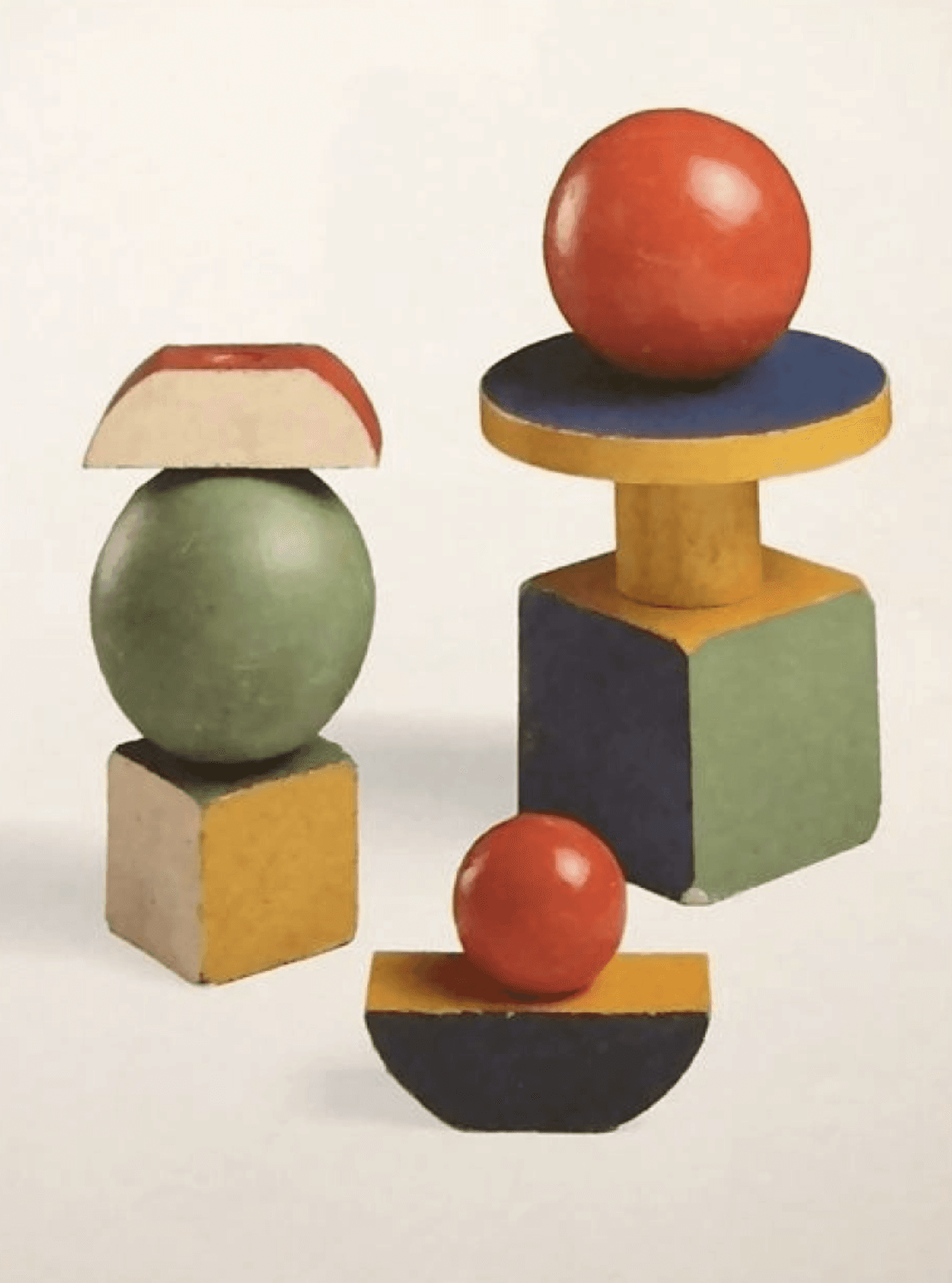
Clay paid a claymation artist to design product mockups before they had revenue. That tells you pretty much everything about how this company has treated brand from the start. Not as a marketing problem to solve later but as something the founders actually cared about and wanted to get right early.
It's a big part of why they got from $1M to $100M ARR in two years, with more than half of enterprise pipeline now coming directly from marketing.
Clay makes software for growth and sales teams basically "Figma for GTM." A creative canvas for an audience that didn't really know it was supposed to be creative.
A few things that caught my eye.
Clay was paying for brand work before they had real revenue. They bought clay.com early. They paid a claymation artist for product mockups ahead of their Product Hunt launch in January 2022. That's the kind of bet a marketing leader doesn't get to make. Varun, one of the co-founders, has talked about this. CMOs are the most fired role in tech. They can't bet on brand because brand takes years to show ROI. Founders can though and they're not going to fire themselves. Most companies wait until they can afford to think about brand. Clay treated it as a founding decision, not just a marketing tactic.
Clay also wrote the vocabulary for their own category. GTM Engineering, GTM Alpha, the GTM IDE were all Clay terms before they were industry terms. Mishti Sharma, Clay's head of narrative, wrote the original essays. That matters more than it sounds. When buyers, hires, and investors are using your words to describe what they do, you become the default company they think of when they think of the work. That's a structural advantage that marketing alone doesn't produce.
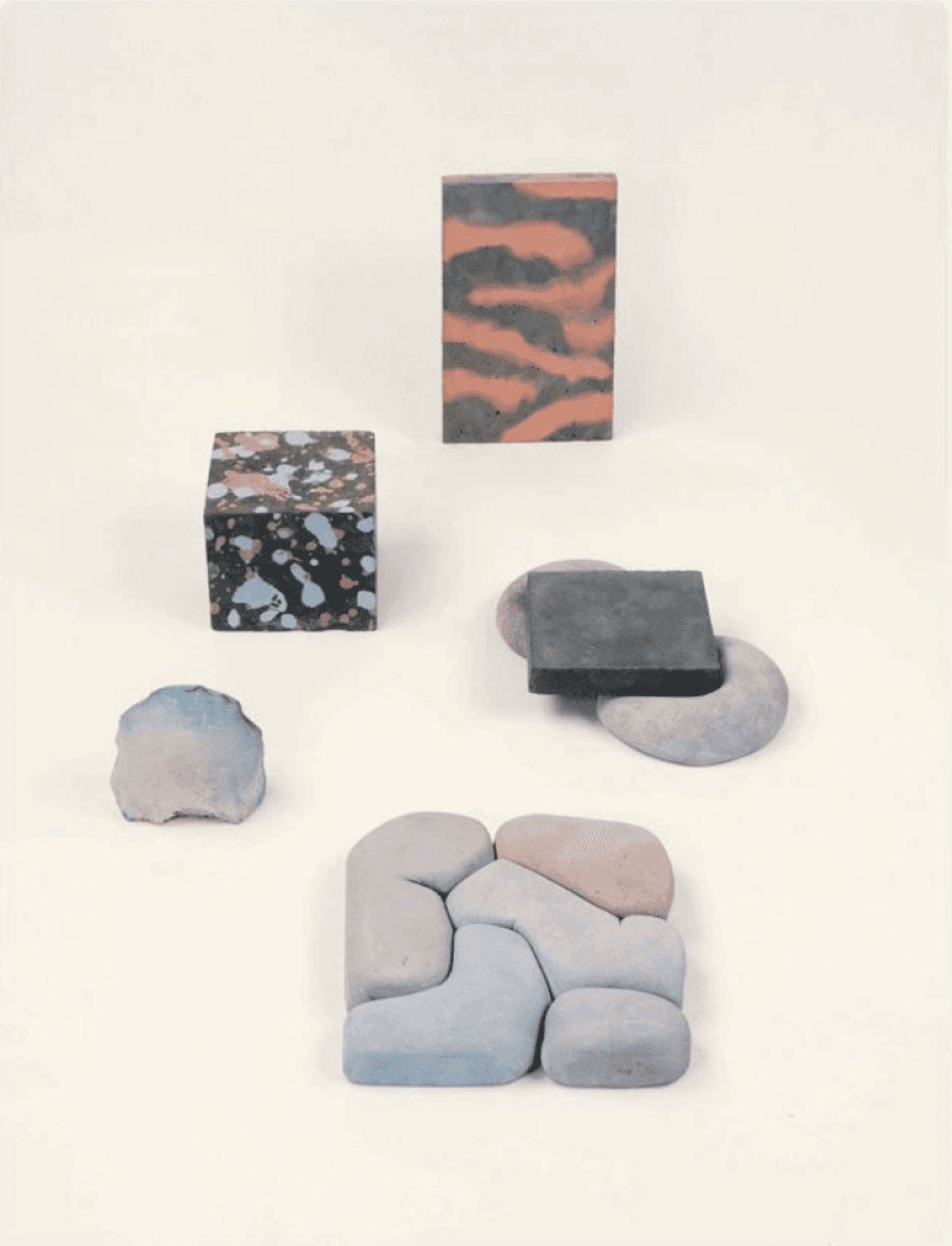
The brand work at Clay isn't really set up the way it is at most SaaS companies. In mid-2025, they put social, influencer, editorial, video, comms, and a bunch of other stuff under one team and called it narrative. The name came from not loving "storytelling." In 2026, that team got rebranded Clay Studios with Jake Block in charge, and they've got an actual in-house journalist on the team. They also have Jessica Jin whose title is just "Schemes," whose work includes things like enterprise customers starring in kung-fu fight scenes and personal styling workshops in NYC.
The reason any of this matters is the org chart. When brand work lives inside marketing, it ends up competing with everything else for budget and attention every quarter, and the bets get smaller as a result. Putting it in its own studio is what lets it actually drive the business instead of just supporting it.
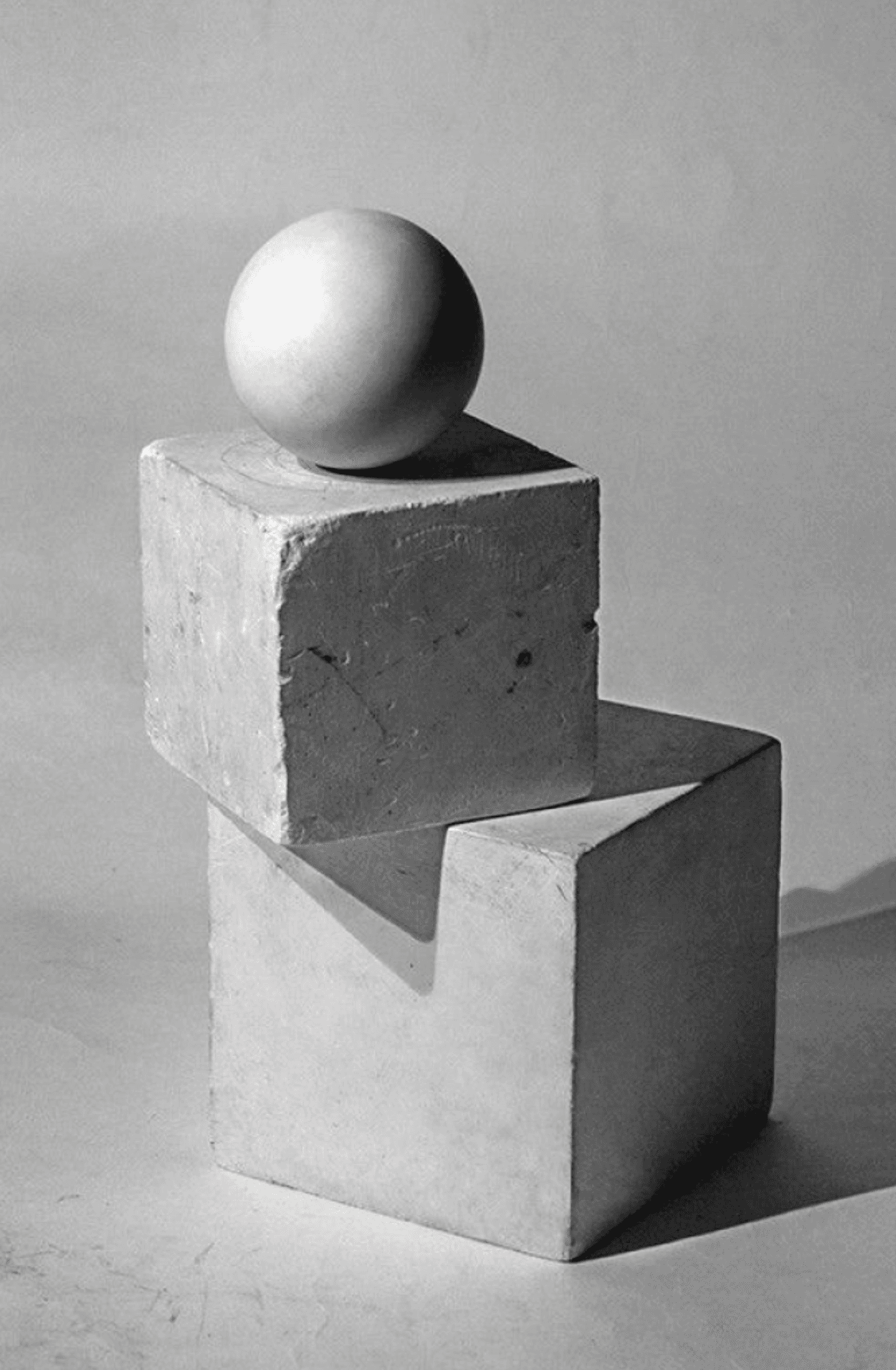
Clay also built their own conference. SCULPT is a one-day GTM festival in San Francisco, now running its second year at Pier 48. Most industry conferences sell speaking slots to vendors, but SCULPT has zero sponsored sessions, and every talk is reviewed by GTM operators before it's confirmed. The first SCULPT featured a communal clay-coiling sculpture that all 300+ attendees added to throughout the day, hand-sculpted clay forms used as backdrops and signage, and a magician who closed the event (magic is one of Clay's actual brand pillars). Building your own conference is one of the more durable brand investments you can make and shows that they already own the category.
The numbers underneath all of this are probably the craziest part. $1M to $100M ARR in two years. Enterprise pipeline tripled in the last nine months, and over 50% is now sourced directly from marketing under Bruno Estrella. That's not marketing supporting sales that's marketing doing most of the work.
Most B2B SaaS companies don't operate this way. They don't pay claymation artists before they have revenue, build studios with in-house journalists, or coin the language for an entire category before they have a chance to own it.
Kareem Amin and Varun Anand started Clay in 2017. The brand work they invested in before there was a business case for it has compounded into one of the strongest growth engines in B2B software.
Curated by Carson Ortolani